
Sustainability
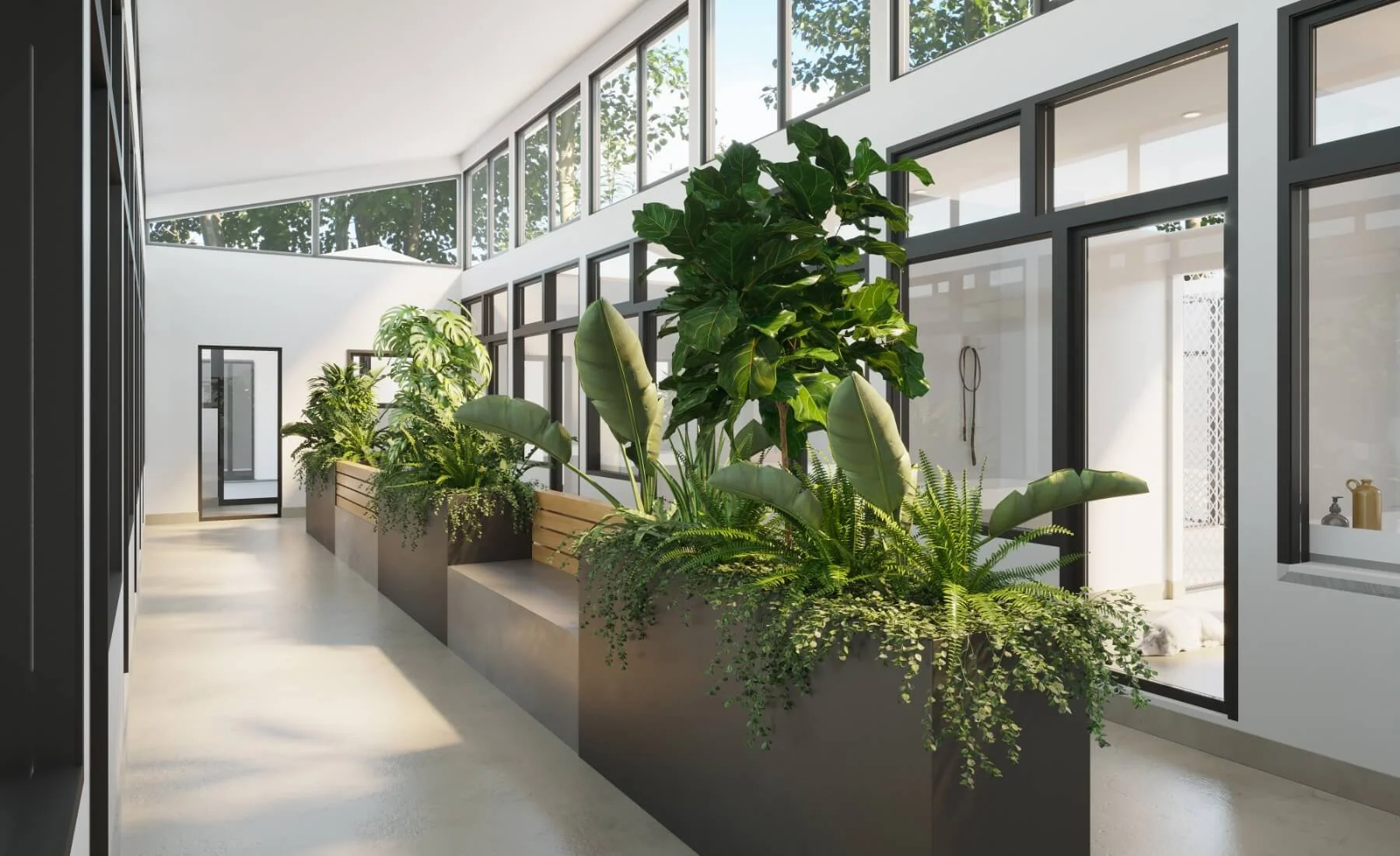
Passive Solar Design
As a 12-year-old, Steve was fascinated by the way the sun moves through the sky in a daily arc, as well as the height of the summer sun as opposed to the low angle of the winter sun. Ever since, Steve has been fascinated by energy efficiency and the principles of passive solar design “Why aren’t all houses built like that?”
Steve’s thesis for his Building degree was based on energy efficient housing and his hypothesis for his Architecture paper was also based around sustainable design, highlighting his long-held interest in sustainable design.
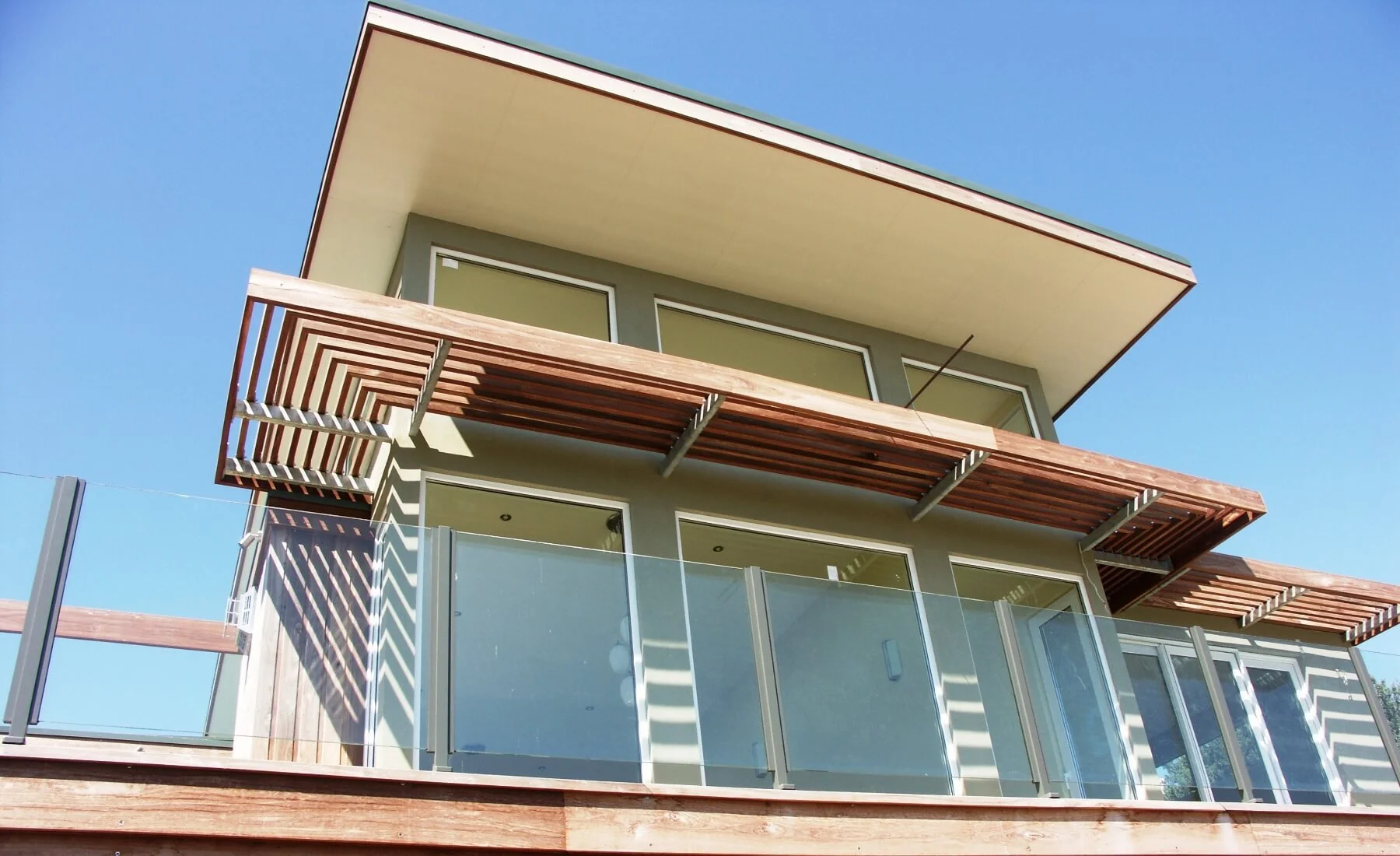
Steve employs all manner of sustainable practice in his design, on the principle that there is simply no reason not to incorporate it. His work is lighter, brighter, more comfortable, healthy, quiet and environmentally responsible as a result of this approach. Steve studies the local climates and understands how the microclimates can be used to better drive each building; improving performance and creating projects that are warmer in winter and cooler in summer.
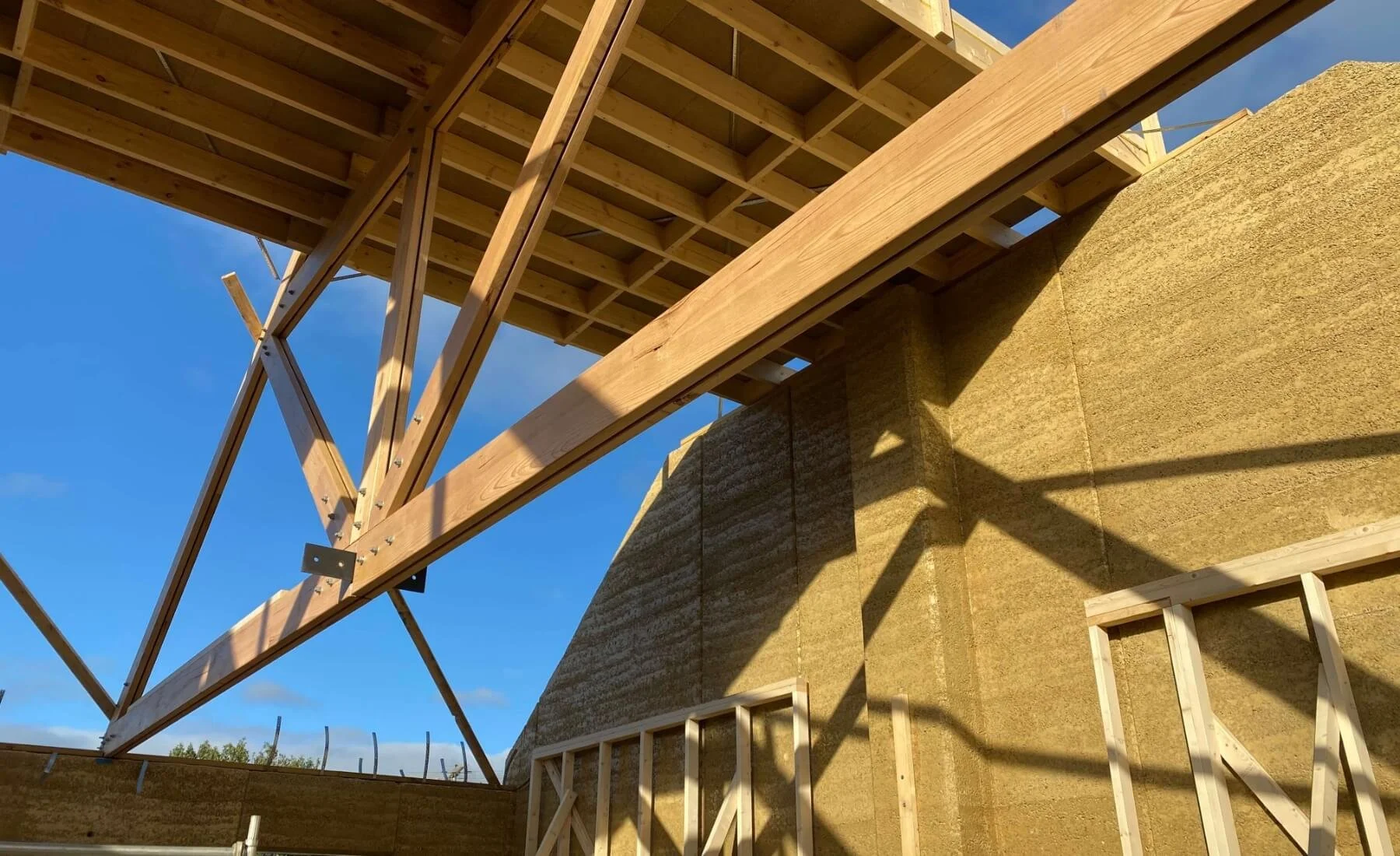
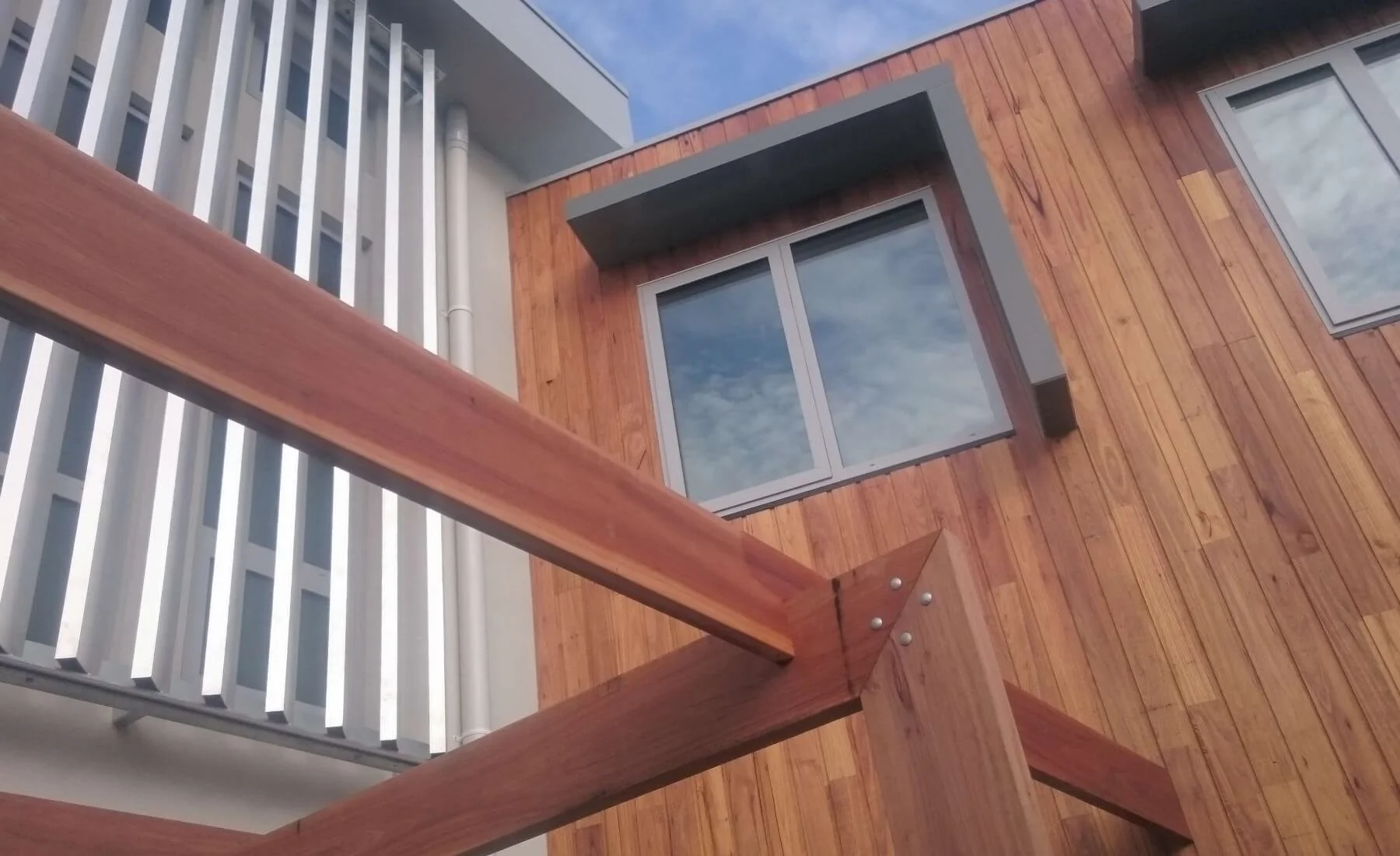
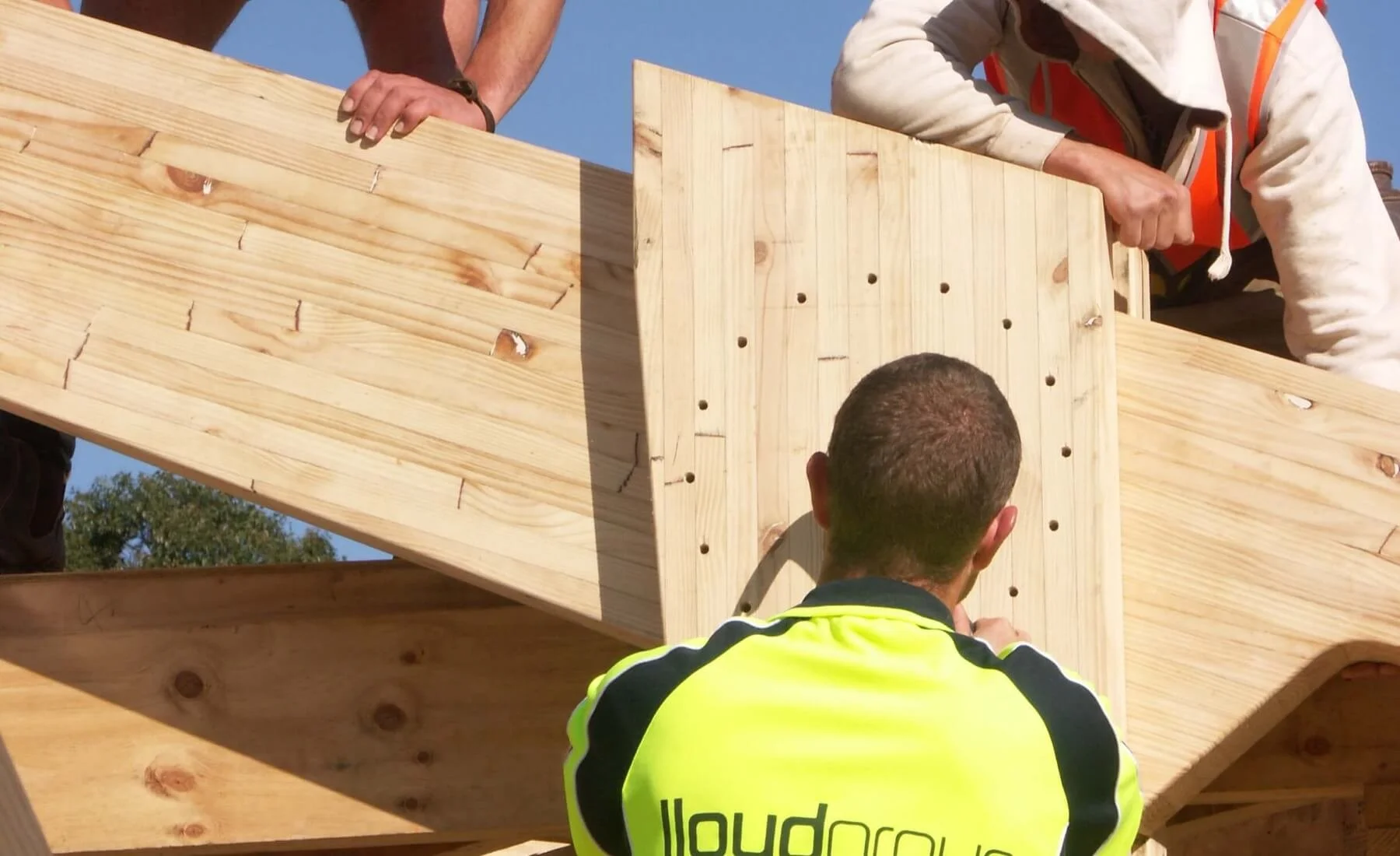
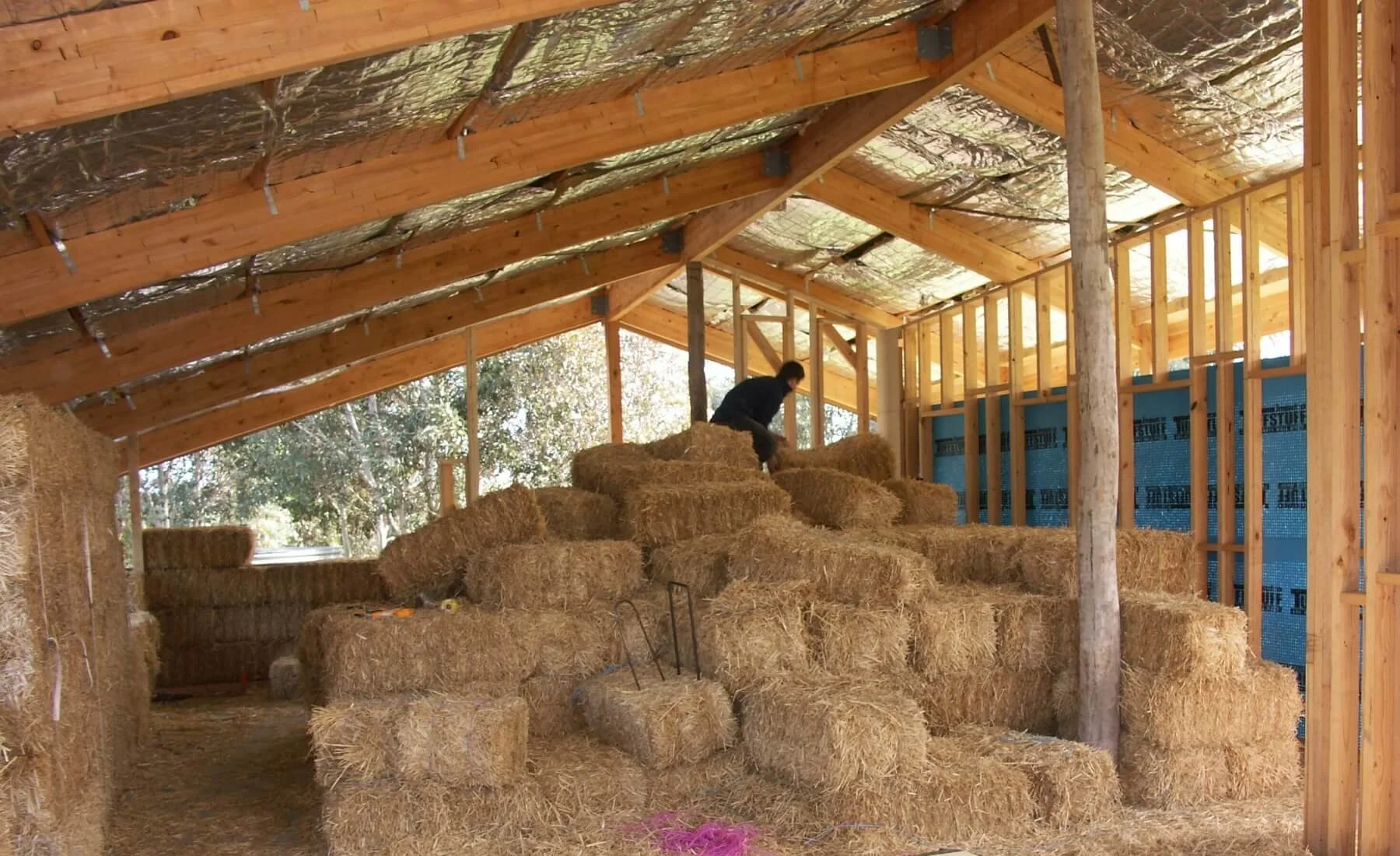
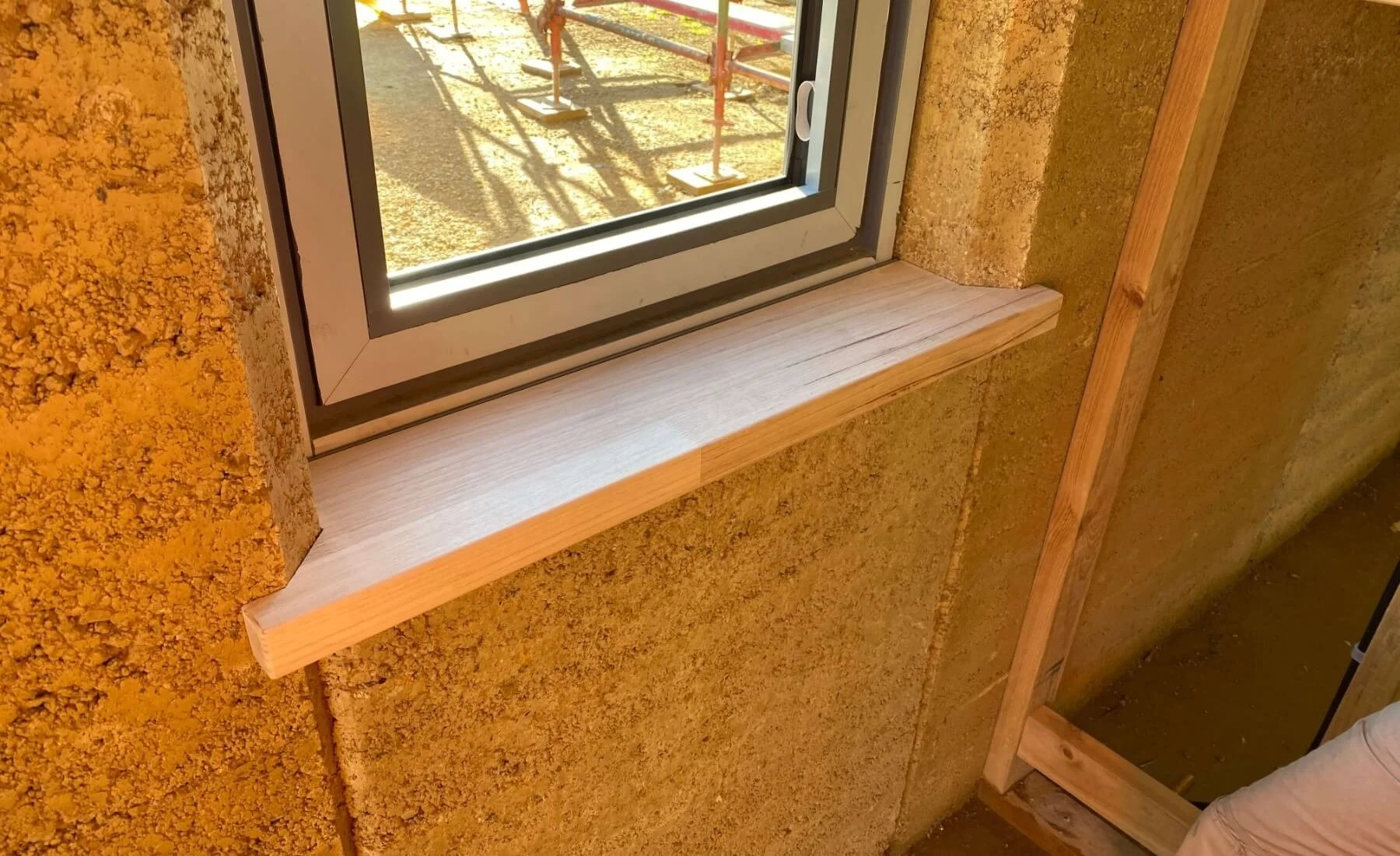
Other key foci of Steve’s sustainability work lie in the applied materials science. Materials are selected and adopted for their mass or insulation qualities, for their embodied energy and embodied carbon, for their character, substance, their responsiveness to the location and for their ability to be able to be suitably maintained.
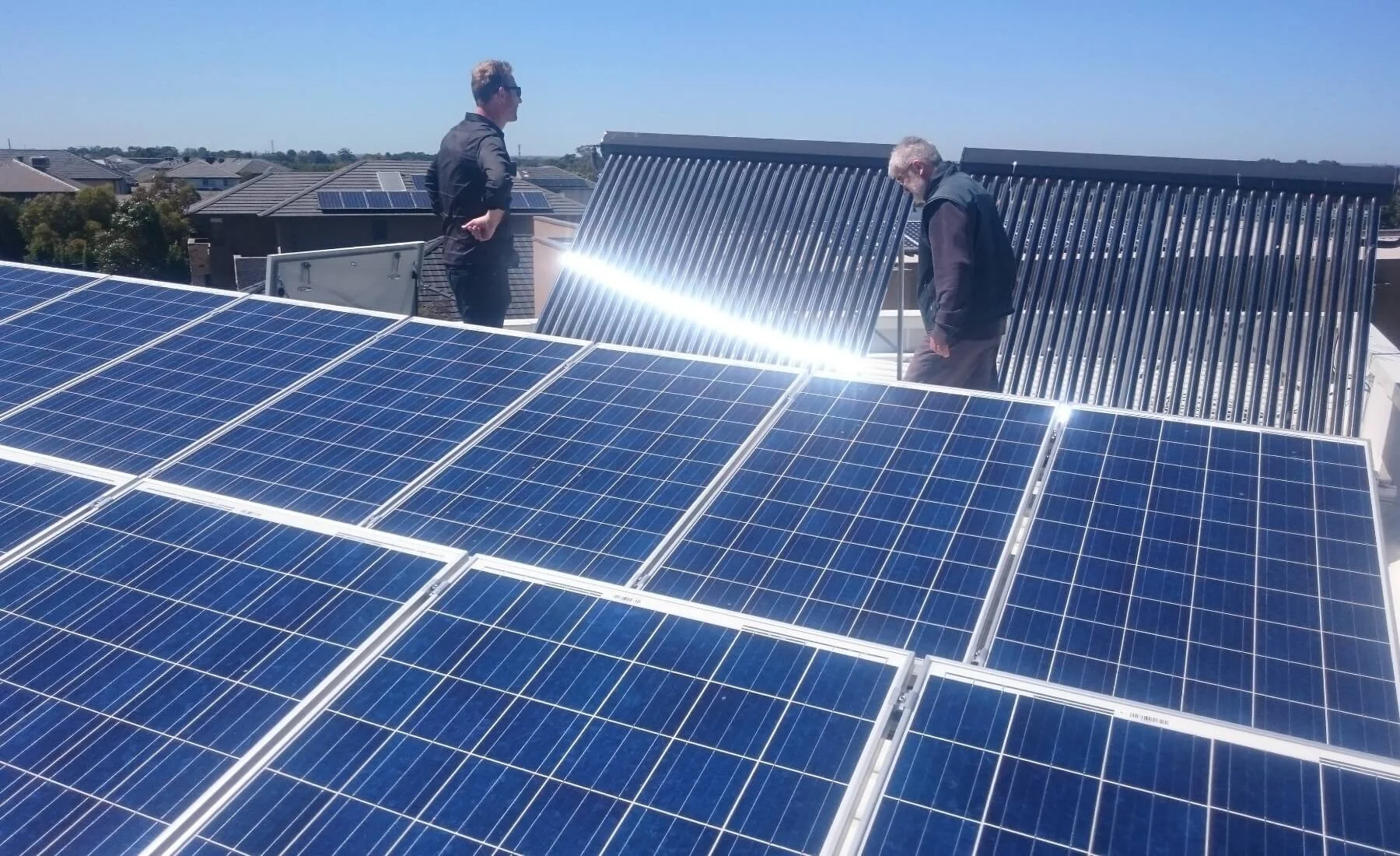
Active Technologies
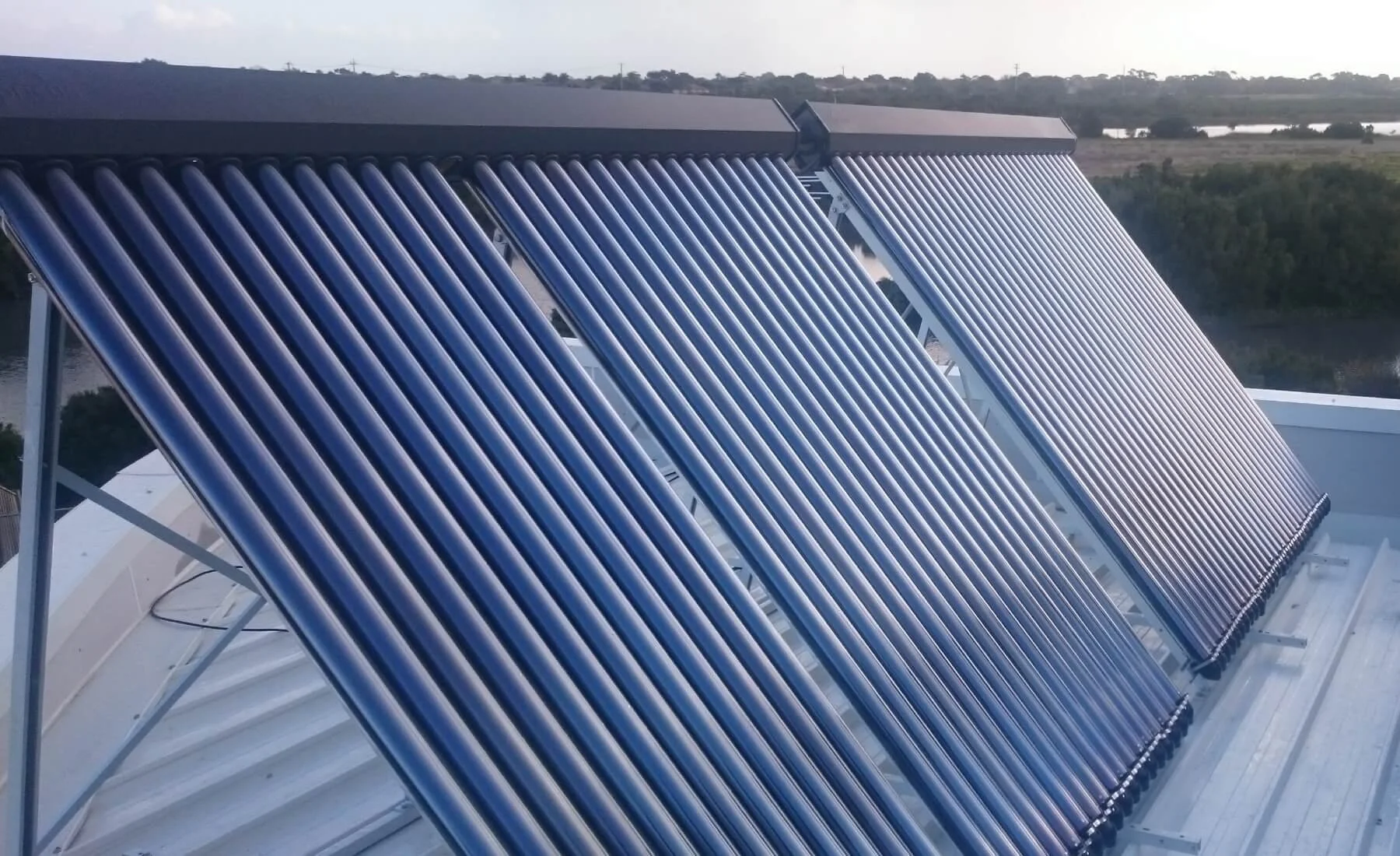
Building technology is not new. Every period of time has had mechanical aids that have made buildings more comfortable and practical to use. We are fortunate enough to live in a time where the applied mechanical and building science technologies can assist us to create truly remarkable efficient, comfortable and healthy environments.
Steve loves to adopt active technologies to further advance the effectiveness of his passive solar designs. Steve carefully incorporates devices to allow for natural daylighting throughout the day, automatic venting devices to facility greater fresh air levels, the passive generation of electricity which in turn provide power to run other technologies and more thermal performance efficiencies.